
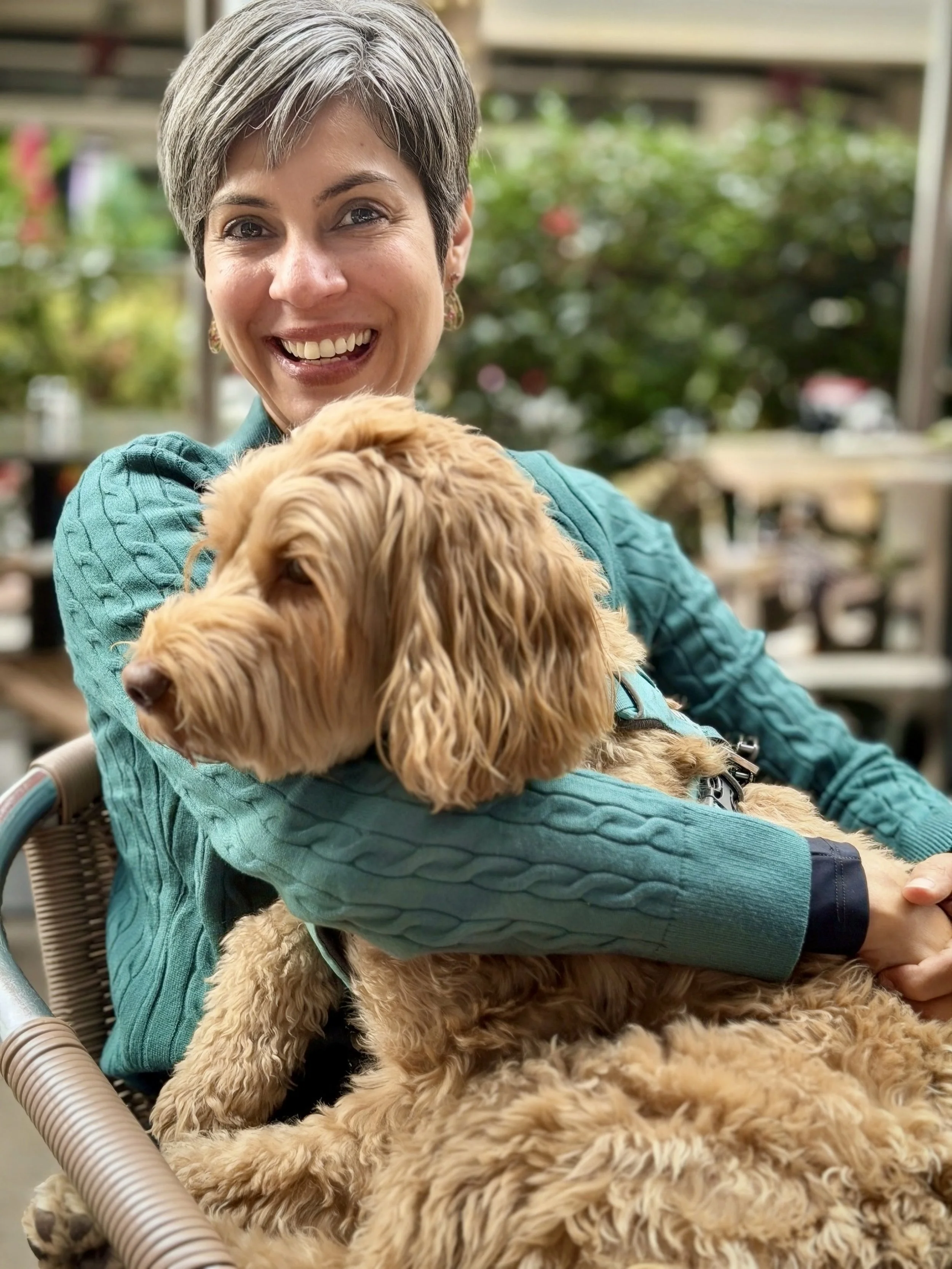
Hi, I’m Mansi

I’m Mansi—a writer, a mixed-media artist, and a facilitator.
For the past eight years, I’ve been building a practice rooted in small, intentional acts of presence: The RIPPLE Practice™.
It’s not a framework I designed. It’s a pattern I finally recognized.
Six movements that show up every time I make art, write essays, or facilitate community gatherings: Reflect, Identify, Play, Personalize, Let Go, Embrace.
This is the way I live. Not the way I perform a brand.
How I Found My Way
I wasn't always able to work this way. For a long time, creativity was something I had to set aside in order to survive.
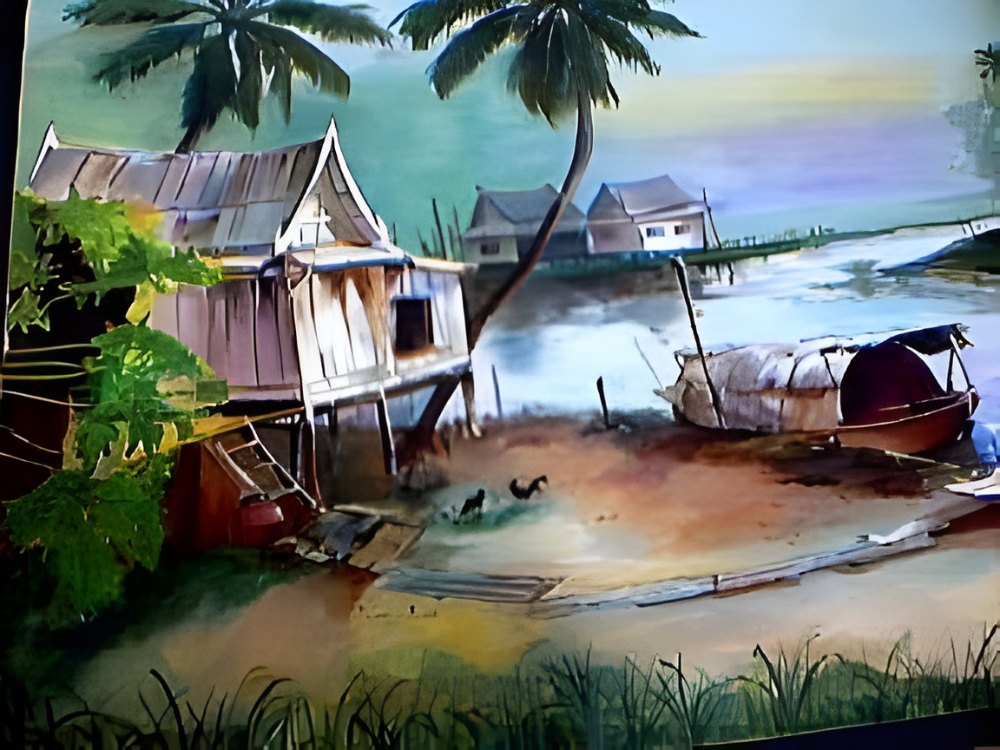
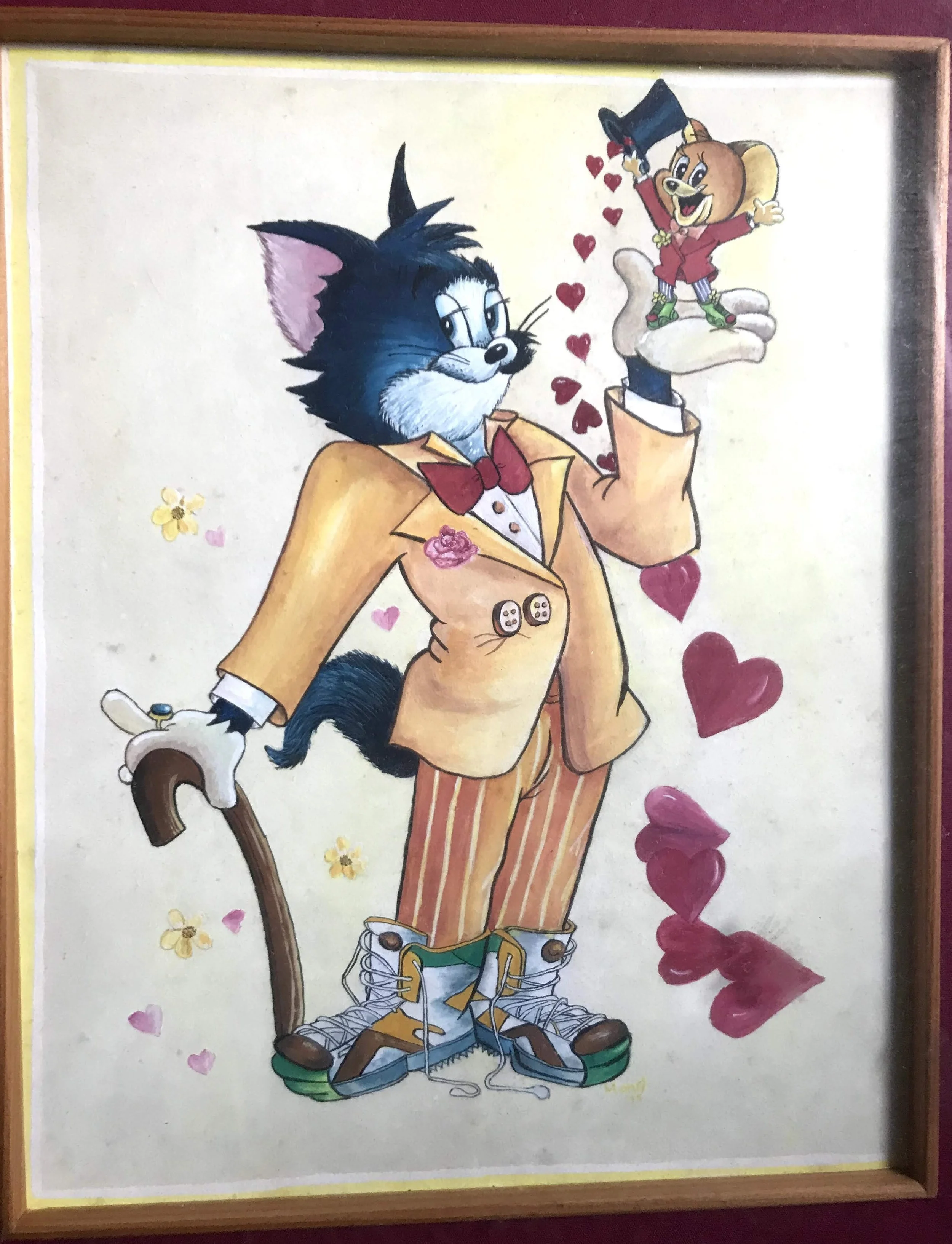
I used to watercolor as a child in India. Dreamy landscapes. Family portraits with happy puppies. Things I didn't have. It was my escape — my way of coping with a household that was loud in all the wrong ways. I would paint what I wished was real.
When I was 19, I applied to a design institute. A panel of celebrated creatives flipped through my portfolio and told me I had no originality. That I clearly would never be an artist.
They saw my poetry sitting alongside the watercolors and said: maybe there's something there.
It stung. And felt true. And it set the direction for the next twenty years of my life.
I packed up my brushes. I pursued writing instead — because that's what they said might have potential. I moved to the United States, earned a master's in journalism from the University of Iowa and built a career in strategic communications. I wrote for and edited alumni magazines and annual reports. I was the ghostwriter for CEOs. I worked in healthcare, philanthropy, higher education.
It was a comfortable career. I earned well. I had time off. I married a wonderful man. Life was okay in every sense of the word.
But art was no longer a part of my life. The wounds from that rejection were so deep that I just didn't feel courageous enough to open them again. It was easier to shove it all down and pretend like it was never a part of who I was.

Two decades into an accidental career, I became pregnant and quit my job. I wanted to enjoy my pregnancy because I had this feeling that life would change once the baby arrived. And it did — in ways I didn't expect. My daughter had allergies, so severe I couldn't put her down. We couldn't go to the park. We couldn't go to the library. We were practically under house arrest for three years, and I was having an identity crisis. "Just a mom" wasn't a title anyone had prepared me for. I was drowning.
One afternoon, as I was cooking, my then-two-year-old spilled some Tempera paint on the floor. And instead of shouting at her, I found myself dipping my fingers in that wet goop. She started giggling. I dropped more paint, purposefully this time. Our hardwood floor disappearing under the circles of mixed colors.
Mud. The one thing most of us dread making in art. But it was in that mud-making moment where I forgot I was a mother carrying more than I could hold. We were just playing. That hole I had been carrying for twenty years felt non-existent.
That's the day I realized what I needed to do to save myself. So I reached for my paints.

I didn't plan what happened next. I just kept showing up. Every day, in my makeshift one-table "studio," making things with my hands — messy, imperfect, alive.
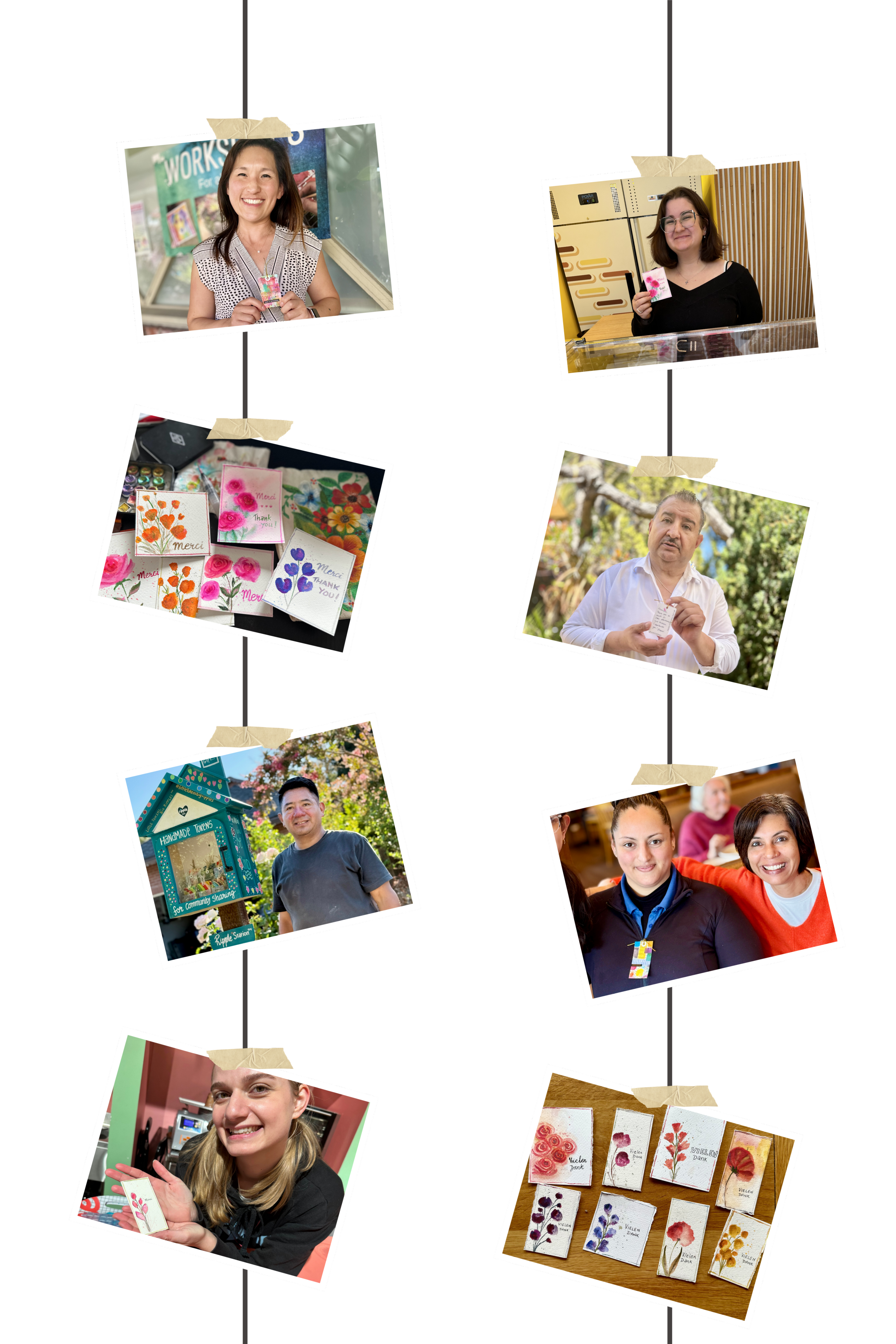
I started handing out small mixed-media pieces of art as tokens of kindness to grocery clerks, crossing guards, delivery drivers — everyday invisible workers who rarely receive appreciation. It became a practice before I had a word for it.
Over the years, my daughter and I have handed out thousands of these tokens in our community and in our travels. In August 2025, I set up a Ripple Station™ by my mailbox as an experiment. It's a small wooden box where neighbors take a token, add their own words, and pass it on. I replenish it every week with 30 tokens. What began as a personal ritual has slowly, organically become a kindness movement.
And then, after a decade of making, the heaviness I had been carrying began to lift. The art had done something I couldn't have planned — it loosened the grip of that old rejection. And when it did, the words came back. This time, the voice was mine.
I started writing personal essays — about identity, parenting, inherited patterns, the body, what we carry and what we choose. My work is being published in literary journals. I was nominated for a Pushcart Prize. I've signed a book deal with Schiffer Craft.
The panel at 19 didn't end my creative life. They split it in two. It took twenty years of writing in other people's voices and a decade of making with my hands to put it all back together.
What Emerged

Where I Am Now
That return hasn't resolved me into a single identity. What it has allowed is for the different parts of me to coexist.
The making lives alongside the writing. The quiet noticing lives alongside conversation. The former communications strategist lives alongside the woman who chooses not to optimize. The mother, the facilitator, the ripple-making neighbor, the essayist — they are no longer in competition with one another.
I left social media in 2024. I send one thoughtful email each month. I don't manufacture urgency or rely on the fear of missing out. I trust resonance and I trust timing.
I'm practicing integration — daily, imperfectly, and without judgment. Letting the work move where it needs to, and trusting that coherence comes from owning my multitudes.
Working Together
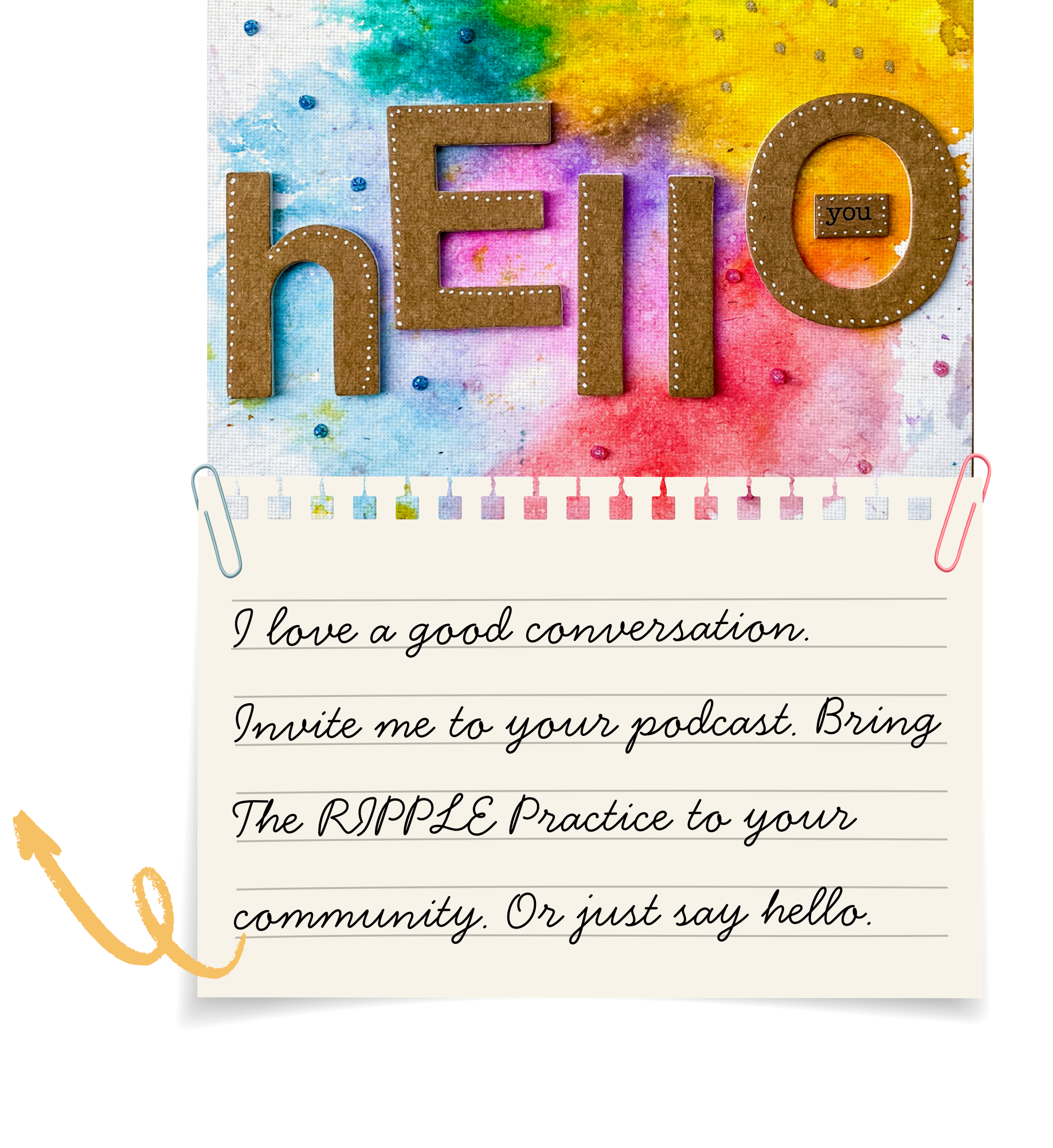
Sometimes this work moves into rooms I didn't expect — organizations, schools, community centers. I take on very few of these. If something comes to mind, I'd love to hear from you.